Leave Your Message
0%

A good over-bed wall lamp can really change the entire vibe of your bedroom once the sun goes down. It’s perfect for getting some reading light without jumbling up your nightstand, and it adds a chill visual anchor right above your bed. But, choosing the right one isn’t just about how it looks — you also gotta think about things like the beam direction, brightness, where the switch is, and how deep the shade is. Sometimes, a lamp that looks super sleek in a picture might cast glare when you’re lying in bed. So yeah, those little details really matter.

Lighting expert and author Randall Whitehead is a great guy to turn to for tips on layered room lighting. A simple way to sum up his practical advice is: “A good bedside light should help you do what you need without overpowering the room.” Keep that in mind as your main idea, not just a quote to remember. In this guide, we’re looking at how different fixtures actually perform in real bedrooms — whether you’re reading next to a tall headboard or just want soft light in a small guest space. There’s no one-size-fits-all answer here.

For 2026, we’ve picked out options that cover different features, installation things to consider, and styles to match various budgets and room layouts. We highlight things like adjustable arms, built-in switches, shade options, and how far a fixture sticks out from the wall. And, a quick heads-up — don’t get fooled by shiny finishes or nice photos alone. Comfort and functionality should be your main focus. First, measure your wall and bed, then think about how you’ll actually use the light. It’s totally normal to feel a bit unsure, but remember: the best lamp is the one that fits YOUR room, not just the latest trend.

2026 Best Over Bed Wall Lamps for Every Bedroom

What Over-Bed Wall Lamps Are and How They Function

Over-bed wall lamps are fixed beside or above a headboard, bringing light within reach without taking up nightstand space. They can provide focused light for reading or softer illumination for winding down. A swivel arm lets you direct the beam toward a page, while a shade or diffuser can reduce glare. Some models use a wall switch; others have a pull cord or bedside switch. Check the control location before installation. Reaching across a pillow in the dark is annoying.

A Led Over Bed Wall Lamp with an adjustable head can serve changing needs, but placement matters: aim the beam at the book, not your partner’s eyes. The U.S. Department of Energy reports that LEDs use at least 75% less energy and can last up to 25 times longer than incandescent lighting. Those figures describe LED lighting generally, not every lamp; actual performance depends on the product and use. A dimmer can help tune brightness, but confirm that the lamp and bulb are compatible. Small detail. Often missed.

Tips: Sit or lie in your usual reading position and test the light’s reach before fixing the mounting height. Keep switches easy to reach, and choose a warm, comfortable color tone for evening use. A bright lamp can still feel harsh; personal comfort is not perfectly captured by specifications.

Main Types of Wall Lamps for Bedroom Use

Swing-arm lamps suit readers who shift between sitting up and lying down. Their arms extend over the pillow, then fold back toward the wall. Check the joints before choosing one; a stiff arm can be annoying at bedtime. Keep the lamp’s reach clear of shelves and tall headboards.

Fixed reading sconces offer a simpler option. A small directional shade can put light on a book without flooding the whole room. Look for a reachable switch and a beam that does not shine directly into your partner’s eyes. A Wall Mounted Led Over Bed Light may have an integrated light source, so check whether its brightness and color temperature feel comfortable before installation. The built-in design can look tidy. Replacement may be less straightforward.

Shaded wall lamps create softer, more general light. They work well beside a bed when reading is occasional, but may not provide enough focused illumination for small print. Adjustable fixtures can address both needs, though extra joints and controls add visual clutter. Measure from the mattress, not just the floor. A lamp that looks balanced in a showroom can sit awkwardly above a real headboard. Leave room for pillows, and consider where the cord or wiring will go. Details matter.

Key Features to Compare in 2026

2026 Best Over Bed Wall Lamps for Every Bedroom
Key Features to Compare in 2026

Choosing a Led Over Bed Light starts with how you read, reach, and switch it from bed. Compare mounting height, arm reach, shade direction, and control placement. A swing-arm model can bring light over a book without lighting the whole room. Check that its joints hold position and its shade does not shine directly into your eyes. Small details matter.

Compare brightness, color, and dimming options before choosing. A warm setting around 2700K can feel softer at night, while a higher color temperature may suit detailed reading. Look for a dimmer with smooth adjustment, not just a harsh high-low switch. The U.S. Department of Energy’s Energy Saver guidance says LEDs use at least 75% less energy than incandescent bulbs. It also says LEDs can last up to 25 times longer. Those figures describe LED lighting generally, not the lifespan of every wall fixture. Check the product’s rated life and replaceable-bulb details.

Tips: Sit in your usual reading position and test the lamp’s reach. Confirm the switch is easy to find in the dark. A perfect specification sheet can still disappoint if the light lands on the page unevenly.

2026 Best Over-Bed Wall Lamps for Every Bedroom

Key feature to compare: color temperature. These commonly used ranges are approximate; naming and available settings vary by lamp. For a relaxing bedside atmosphere, look for a warm-white setting and adjustable brightness. Also compare dimming controls, light direction, and color rendering (CRI).

Color temperature ranges are shown in kelvins (K). The chart summarizes common lighting categories, not measurements of specific products.

Best Over-Bed Wall Lamps for Different Bedroom Needs

A reading-focused bedroom needs a wall lamp with a movable arm and a focused beam. Position it so the page is bright but the bulb stays outside your direct line of sight. For shared beds, choose independently controlled lamps; one person can read while the other rests. No fixture solves every layout. Check that the arm clears the headboard and does not swing into a walkway. A small detail, but an easy one to miss.

For compact rooms, an Over Bed Light can free up nightstand space. Look for a slim backplate, a reachable switch, and a shade that limits glare. Older adults may prefer a large, easy-to-operate control; renters may need a simpler installation. Dimming helps shift from reading to winding down, though a dimmer cannot compensate for harsh glare or poor placement. The U.S. Department of Energy reports that LED bulbs use at least 75% less energy and last up to 25 times longer than incandescent bulbs. That makes an efficient LED a practical choice, provided its light feels comfortable in your room. Test the beam from your pillow before settling on a mounting position.

2026 Best Over Bed Wall Lamps for Every Bedroom - Best Over-Bed Wall Lamps for Different Bedroom Needs

General-purpose selection guide. Light-output figures are approximate useful ranges; actual performance varies by fixture, bulb, shade, and room.
Bedroom Need Recommended Lamp Style Useful Light Output Color Temperature Helpful Features Installation Considerations
Focused reading in bed Adjustable swing-arm wall lamp with a directed shade About 300–500 lumens directed toward the reading area 2700–3000 K for warm, comfortable light Pivoting arm, adjustable head, and an easy-to-reach switch Position the beam to illuminate the page without shining directly into the reader’s eyes.
Reading without disturbing a partner Narrow-beam task light or shielded adjustable sconce About 200–400 lumens aimed at one side of the bed 2700–3000 K Directional beam, shade that limits glare, and separate switching for each side Aim the light down and away from the other sleeper; check the beam from both pillow positions.
Soft bedtime ambience Fabric-shade or diffused-glass wall sconce About 200–400 lumens for gentle local illumination 2200–2700 K Dimming, diffused light, and a shade that softens the visible bulb Use alongside other room lighting when broader illumination is needed.
Small bedroom or limited bedside space Compact fixed-arm sconce or plug-in wall lamp About 250–450 lumens, depending on whether it is for reading or ambient use 2700–3000 K Small wall footprint, integrated switch, and a tidy cord-management option for plug-in models Measure the wall and nearby furniture first; keep cords clear of walking paths.
Flexible placement without opening a wall Plug-in swing-arm wall lamp About 300–500 lumens for bedside reading 2700–3000 K Adjustable arm, accessible inline or fixture switch, and replaceable bulb where available Requires a nearby outlet; secure the cord neatly and follow the fixture’s mounting instructions.
Clean, built-in appearance Hardwired wall sconce, with or without an adjustable arm Choose output for the task; roughly 300–500 lumens is a practical reading-light range 2700–3000 K for a warm bedroom setting Wall switch or fixture switch, dimming compatibility, and replaceable light source if preferred Usually requires suitable wiring and may require installation by a qualified electrician.
Easy operation for nighttime use Wall lamp with a clearly positioned pull switch, rocker switch, or touch control About 200–400 lumens for a bedside task or low-level light 2200–3000 K Simple controls within easy reach and dimming for different times of day Check switch placement from the bed before choosing a mounting location.

How to Match a Wall Lamp to Your Bedroom Style

A wall lamp above the bed should feel like part of the room, not an afterthought. In a calm, minimalist bedroom, choose a slim profile, matte finish, and simple shade. A linen shade softens light beside pale wood and textured bedding. For a vintage-inspired room, a curved arm or warm metal finish can echo drawer pulls or a bedside mirror. Keep the shape in conversation with nearby details. It does not need to match everything.

Tips: Check the lamp’s reach before choosing a style. Sit up in bed and picture where the light will fall. A swiveling head suits late-night reading, while a downward shade can reduce glare for a partner. Make sure the switch is easy to reach and the fixture leaves enough space around pillows and headboards. For hardwired lamps, have installation assessed by a qualified electrician.

A beautiful fixture can still feel wrong if its scale overwhelms a narrow headboard. I have seen this detail overlooked in otherwise thoughtful rooms. Compare the lamp’s width with the bedside table and headboard, then consider how its finish looks in both daylight and warm evening light. Small differences matter.

Placement, Installation, and Safe Use of Wall Lamps

Over-bed wall lamps work best when their light reaches the page, not your eyes. Sit on the bed and mark a comfortable reading height before measuring. A common starting point is around 30–36 inches above the mattress, but mattress thickness and posture change the result. No single measurement fits every room.

Place each lamp near the outer side of its sleeper, leaving enough space for pillows and headboard edges. Adjustable arms help direct light onto a book without shining across the room. Check the beam from a lying position; glare can seem minor while standing and irritating at bedtime. Small detail, big difference. If both sides share a switch, consider whether each person can reach it easily.

Before installation, confirm that the wall and mounting point suit the fixture’s weight. For hardwired lamps, have a qualified electrician handle connections, and switch off power at the circuit before any permitted work. Keep bulbs and warm lamp surfaces clear of curtains, bedding, and loose fabric. Follow the fixture’s instructions, including bulb type and clearance guidance. A dimmer can soften late-night light, but only when it is compatible with the lamp. Even careful placement may need a small adjustment after a few nights.

FAQS

Which wall lamp works best for reading in bed?

A swing-arm lamp suits readers who change position. Its arm can reach over a pillow, then fold back toward the wall.

What should I check on a swing-arm lamp?

Test the joints and make sure the arm holds its position. Check that it clears shelves and a tall headboard. Stiff joints get irritating.

Are fixed reading sconces a good choice?

Yes, if you want a simple, focused beam. Choose a reachable switch and aim the shade away from your partner’s eyes.

Do shaded wall lamps provide enough light for reading?

They give softer, more general light, but small print may be harder to see. Occasional readers may find them sufficient. It depends on the room.

How high should I mount a bedside wall lamp?

Measure from the mattress and your usual reading position, not just from the floor. Leave room for pillows and check the lamp’s reach.

What light color feels comfortable for bedtime reading?

A warm setting around 2700K may feel softer at night. A cooler setting can suit detailed reading, but personal comfort varies.

Are dimming controls worth considering?

Smooth dimming lets you adjust brightness more gradually than a basic high-low switch. Try the controls before installation if possible. Specs can mislead.

What should I know about integrated LED fixtures?

Check brightness, color temperature, rated life, and replacement details. Integrated designs can look tidy, but repairs may be less straightforward.

Do LEDs use less energy than incandescent bulbs?

General energy guidance says LEDs use at least 75% less energy and can last up to 25 times longer. Those figures do not guarantee every fixture’s performance.

Conclusion

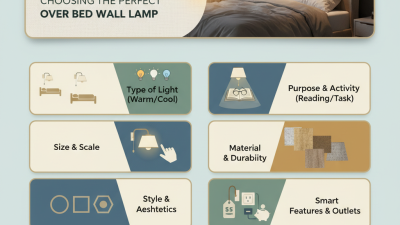
This guide explores how an Over Bed Wall Lamp can provide focused reading light, gentle ambient illumination, and convenient bedside lighting without taking up space on a nightstand. It introduces common bedroom wall-lamp styles, including adjustable reading lights, swing-arm designs, and fixed fixtures, then explains which features matter when comparing options in 2026, such as brightness, color temperature, beam direction, controls, and installation needs.

Find recommendations for different bedroom layouts and lighting preferences, along with practical advice on coordinating a lamp’s shape, finish, and light quality with your room’s decor. The guide also covers where to position a wall lamp for comfortable use, what to consider before installation, and how to follow product instructions and basic electrical safety practices.
Lila

Lila

Lila is a highly skilled marketing professional at OGJG Lighting, a company established in 2006 that specializes in the art and engineering of superior linear light fixtures. With an in-depth understanding of the company's products and a passion for lighting technology, she plays a vital role in......
Previous How to Choose the Best Tri Proof Light for Your Project?